
In the essential management of the world's forest resources, traditional ground-based surveys, while valuable, are often hampered by scale, cost, and accessibility. In this context, choosing to utilize forestry assessment satellite technology is not merely an upgrade; it is a transformative decision. These sophisticated Earth observation systems provide a unparalleled combination of scale, frequency, and data richness that is fundamentally changing how we monitor, manage, and understand forest ecosystems. The reasons for integrating this technology into forestry operations, conservation efforts, and climate policy are both compelling and multifaceted.
The most obvious reason to choose satellite assessment is its ability to provide a synoptic view at an unprecedented scale. A single satellite image can cover thousands of square kilometers, capturing the condition of vast, remote, or inaccessible forest tracts that would be logistically prohibitively difficult and financially ruinous to survey on foot. This macro-level perspective is invaluable for national forest inventories, monitoring deforestation frontiers in places like the Amazon or Congo Basin, and understanding landscape-level patterns of forest health, fragmentation, and regrowth. It allows managers and policymakers to see the entire picture, identifying hotspots of change and prioritizing interventions where they are most needed, rather than relying on extrapolations from limited plot data.
 Complementing this vast scale is the benefit of frequent and historical monitoring. Satellite constellations provide revisits over the same area at intervals ranging from days to weeks. This temporal consistency enables the detection of changes as they happen whether it's the sudden clear-cut of a parcel, the gradual incursion of illegal logging, or the slow stress of drought on a forest canopy. Furthermore, the multi-decade archive of satellite data, from programs like Landsat which has been collecting imagery since the 1970s, provides an invaluable historical baseline. Analysts can track forest cover change over decades, quantifying rates of loss and gain, and attributing these changes to specific drivers like agricultural expansion, fire, or storm damage. This long-term view is critical for understanding trends, assessing the impact of policies, and modeling future scenarios.
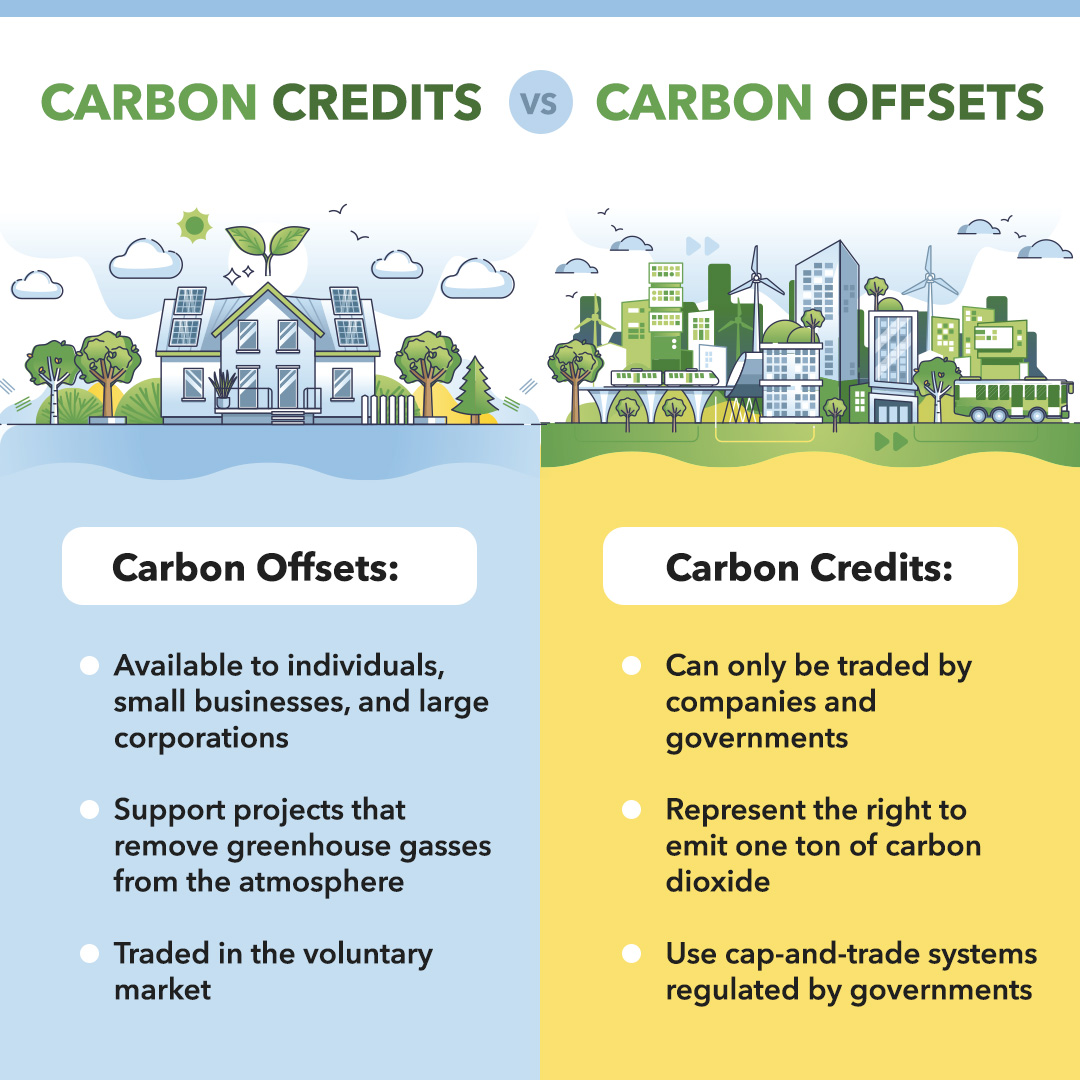
Satellite technology delivers a level of objective data that is difficult to achieve consistently on the ground. Sensors measure specific wavelengths of light reflected or emitted by the Earth's surface. From this spectral data, scientists can derive a wealth of key forest metrics beyond simple tree cover. Advanced analysis can estimate canopy height, biomass (and thus stored Carbon Credits), leaf area index, and even identify broad tree species groups based on their spectral signatures. This moves assessment far beyond simplistic "green vs. brown" analysis to a detailed, quantitative evaluation of forest structure and function. For carbon credit projects, this objective, remotely-sensed data is becoming the gold standard for measuring and verifying carbon stocks, providing the transparency and accountability required by markets.
The practical efficiency and cost-effectiveness of satellite assessment are significant drivers for its adoption. While launching and maintaining satellites is expensive, the data itself, especially from publicly-funded missions like Sentinel and Landsat, is often freely available. The cost per hectare of monitoring is a fraction of that for extensive ground crews. This democratizes high-quality forest information, making it accessible to small NGOs, research institutions, and forestry companies in developing nations. It enables near-real-time alerts for illegal deforestation, allowing authorities to dispatch enforcement teams to precise locations. It streamlines forest management planning, allowing for more accurate timber volume estimations and harvest scheduling over large concessions.
In the era of climate change, the role of forestry assessment satellites has become critical. Forests are vital carbon sinks, and their protection is a cornerstone of global climate mitigation strategies. Satellite data is the primary tool for monitoring international commitments like REDD+ (Reducing Emissions from Deforestation and Forest Degradation), providing the transparent and verifiable evidence needed to track progress and release results-based payments. Satellites monitor the increasing frequency and severity of forest disturbances such as wildfires, insect outbreaks, and drought-induced mortality, providing early warning and assessing post-event damage. This information is crucial for understanding the vulnerability of forests to a changing climate and for developing adaptive management strategies.
Additionally, the integration of satellite data with other technologies creates a formidable analytical ecosystem. When combined with aerial LiDAR (which provides extremely detailed 3D forest structure) for calibration, or with ground sensor data and artificial intelligence/machine learning algorithms, the potential expands exponentially. AI can automatically classify satellite imagery to map deforestation, detect selective logging, or identify specific tree species across continents. This fusion of technologies is moving the field from descriptive mapping to predictive analytics, forecasting areas at highest risk of deforestation or modeling the future carbon sequestration potential of different management scenarios.
In conclusion, choosing forestry assessment satellite technology is a decision to embrace clarity, scale, and objectivity in the stewardship of one of the planet's most vital resources. It provides the empirical foundation for sound science, effective policy, and sustainable management. Whether for a government agency safeguarding national parks, a corporation ensuring a sustainable supply chain, a conservation group protecting biodiversity, or a carbon project developer verifying sequestration, satellite data offers an unmatched perspective. It transforms forests from vast, opaque expanses into manageable systems, empowering humanity to make informed decisions that ensure the health and longevity of these critical ecosystems for generations to come.
The most obvious reason to choose satellite assessment is its ability to provide a synoptic view at an unprecedented scale. A single satellite image can cover thousands of square kilometers, capturing the condition of vast, remote, or inaccessible forest tracts that would be logistically prohibitively difficult and financially ruinous to survey on foot. This macro-level perspective is invaluable for national forest inventories, monitoring deforestation frontiers in places like the Amazon or Congo Basin, and understanding landscape-level patterns of forest health, fragmentation, and regrowth. It allows managers and policymakers to see the entire picture, identifying hotspots of change and prioritizing interventions where they are most needed, rather than relying on extrapolations from limited plot data.
Complementing this vast scale is the benefit of frequent and historical monitoring. Satellite constellations provide revisits over the same area at intervals ranging from days to weeks. This temporal consistency enables the detection of changes as they happen whether it's the sudden clear-cut of a parcel, the gradual incursion of illegal logging, or the slow stress of drought on a forest canopy. Furthermore, the multi-decade archive of satellite data, from programs like Landsat which has been collecting imagery since the 1970s, provides an invaluable historical baseline. Analysts can track forest cover change over decades, quantifying rates of loss and gain, and attributing these changes to specific drivers like agricultural expansion, fire, or storm damage. This long-term view is critical for understanding trends, assessing the impact of policies, and modeling future scenarios.Satellite technology delivers a level of objective data that is difficult to achieve consistently on the ground. Sensors measure specific wavelengths of light reflected or emitted by the Earth's surface. From this spectral data, scientists can derive a wealth of key forest metrics beyond simple tree cover. Advanced analysis can estimate canopy height, biomass (and thus stored Carbon Credits), leaf area index, and even identify broad tree species groups based on their spectral signatures. This moves assessment far beyond simplistic "green vs. brown" analysis to a detailed, quantitative evaluation of forest structure and function. For carbon credit projects, this objective, remotely-sensed data is becoming the gold standard for measuring and verifying carbon stocks, providing the transparency and accountability required by markets.
The practical efficiency and cost-effectiveness of satellite assessment are significant drivers for its adoption. While launching and maintaining satellites is expensive, the data itself, especially from publicly-funded missions like Sentinel and Landsat, is often freely available. The cost per hectare of monitoring is a fraction of that for extensive ground crews. This democratizes high-quality forest information, making it accessible to small NGOs, research institutions, and forestry companies in developing nations. It enables near-real-time alerts for illegal deforestation, allowing authorities to dispatch enforcement teams to precise locations. It streamlines forest management planning, allowing for more accurate timber volume estimations and harvest scheduling over large concessions.
In the era of climate change, the role of forestry assessment satellites has become critical. Forests are vital carbon sinks, and their protection is a cornerstone of global climate mitigation strategies. Satellite data is the primary tool for monitoring international commitments like REDD+ (Reducing Emissions from Deforestation and Forest Degradation), providing the transparent and verifiable evidence needed to track progress and release results-based payments. Satellites monitor the increasing frequency and severity of forest disturbances such as wildfires, insect outbreaks, and drought-induced mortality, providing early warning and assessing post-event damage. This information is crucial for understanding the vulnerability of forests to a changing climate and for developing adaptive management strategies.
Additionally, the integration of satellite data with other technologies creates a formidable analytical ecosystem. When combined with aerial LiDAR (which provides extremely detailed 3D forest structure) for calibration, or with ground sensor data and artificial intelligence/machine learning algorithms, the potential expands exponentially. AI can automatically classify satellite imagery to map deforestation, detect selective logging, or identify specific tree species across continents. This fusion of technologies is moving the field from descriptive mapping to predictive analytics, forecasting areas at highest risk of deforestation or modeling the future carbon sequestration potential of different management scenarios.
In conclusion, choosing forestry assessment satellite technology is a decision to embrace clarity, scale, and objectivity in the stewardship of one of the planet's most vital resources. It provides the empirical foundation for sound science, effective policy, and sustainable management. Whether for a government agency safeguarding national parks, a corporation ensuring a sustainable supply chain, a conservation group protecting biodiversity, or a carbon project developer verifying sequestration, satellite data offers an unmatched perspective. It transforms forests from vast, opaque expanses into manageable systems, empowering humanity to make informed decisions that ensure the health and longevity of these critical ecosystems for generations to come.