
Web files are essential to the digital experiences we engage with every day, enabling everything from simple web pages to full-scale online applications. These files come in various formats, each with its own strengths and limitations. Among them, JWS files, or Java Web Start files, stand out for their ability to launch full Java applications directly from a browser. They illustrate both the benefits and challenges of using web files for application deployment, especially when compared to more modern web technologies like Progressive Web Apps (PWAs), HTML5, or Javascript-based frameworks. Exploring JWS in this context provides a clearer picture of the trade-offs developers and organizations face when choosing web-based solutions.
One of the biggest advantages of JWS files is their ability to deliver platform-independent, fully-featured applications without requiring users to manually install anything. Because JWS relies on Java, which runs on any system with a Java Runtime Environment (JRE), a developer can write a single application and deploy it to users on Windows, macOS, or Linux with minimal adjustments. This is a significant strength in enterprise environments where centralized software deployment is critical. JWS files also offer a secure delivery mechanism through digital signing, ensuring the source of the application is trusted and the file hasn’t been tampered with. Additionally, the applications run outside the browser, which means they are not limited by browser performance constraints or security sandboxes. This is particularly valuable for applications that require greater system access, such as database tools, engineering simulations, or financial modeling software.
However, these advantages come with notable disadvantages. JWS files depend heavily on the Java platform, which means the user must have the correct version of Java installed and properly configured. This dependency can cause compatibility issues, especially since Oracle removed support for Java Web Start beginning with Java 11. As a result, users today often face hurdles just trying to launch legacy JWS applications. From a usability perspective, JWS also lacks the seamless user experience provided by modern alternatives. For example, PWAs can be installed directly from a browser tab and behave like native mobile or desktop apps, while requiring no additional runtime installations. Furthermore, PWAs and HTML5 applications are better suited for offline use, offer more responsive design options, and integrate more naturally with device APIs such as cameras and location services.
Comparing JWS to Javascript-based frameworks like React or Angular also highlights key differences. Javascript applications are designed to run entirely in the browser, eliminating the need for runtime environments like Java. They’re lightweight, fast, and easy to update in real time. In contrast, JWS-based applications tend to be heavier, as they often download large Java Archive (JAR) files and require more system resources. Moreover, modern web security standards have shifted towards sandboxed browser execution and content isolation, making the elevated permissions sometimes requested by JWS applications a potential security risk. While JWS applications can do more because they run outside the browser, that same capability makes them harder to manage securely.
Other web file types offer unique advantages as well. JSON and XML, for instance, are essential for transporting structured data across applications. They are simple, readable, and supported across all modern programming environments. Manifest files used in PWAs are easy to integrate and provide metadata that allows users to install a web app to their device home screen. Even server-side technologies like PHP or ASP.NET offer better integration with cloud platforms and databases, making them more suitable for dynamic, content-driven web applications.
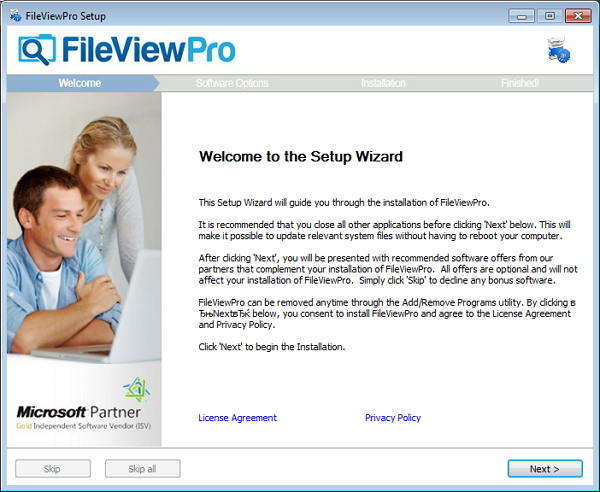 Despite its declining support, JWS still serves a purpose in legacy systems where re-engineering an application would be cost-prohibitive. Many institutions and businesses still rely on Java Web Start to run specialized internal tools. However, accessing and inspecting these files today can be challenging without the original environment. That’s where FileViewPro becomes extremely valuable. If you have any questions regarding where and ways to utilize JWS format, you could contact us at the internet site. FileViewPro is a universal file opener that supports a wide range of file types, including JWS. It enables users to view the structure and contents of JWS files, even if the system no longer supports Java Web Start. Whether you’re trying to audit an old application, migrate legacy software, or simply understand what a JWS file is meant to do, FileViewPro allows you to open and inspect it quickly and safely. This makes it an essential tool for anyone who deals with aging enterprise applications or obscure web file formats.
One of the biggest advantages of JWS files is their ability to deliver platform-independent, fully-featured applications without requiring users to manually install anything. Because JWS relies on Java, which runs on any system with a Java Runtime Environment (JRE), a developer can write a single application and deploy it to users on Windows, macOS, or Linux with minimal adjustments. This is a significant strength in enterprise environments where centralized software deployment is critical. JWS files also offer a secure delivery mechanism through digital signing, ensuring the source of the application is trusted and the file hasn’t been tampered with. Additionally, the applications run outside the browser, which means they are not limited by browser performance constraints or security sandboxes. This is particularly valuable for applications that require greater system access, such as database tools, engineering simulations, or financial modeling software.
However, these advantages come with notable disadvantages. JWS files depend heavily on the Java platform, which means the user must have the correct version of Java installed and properly configured. This dependency can cause compatibility issues, especially since Oracle removed support for Java Web Start beginning with Java 11. As a result, users today often face hurdles just trying to launch legacy JWS applications. From a usability perspective, JWS also lacks the seamless user experience provided by modern alternatives. For example, PWAs can be installed directly from a browser tab and behave like native mobile or desktop apps, while requiring no additional runtime installations. Furthermore, PWAs and HTML5 applications are better suited for offline use, offer more responsive design options, and integrate more naturally with device APIs such as cameras and location services.
Comparing JWS to Javascript-based frameworks like React or Angular also highlights key differences. Javascript applications are designed to run entirely in the browser, eliminating the need for runtime environments like Java. They’re lightweight, fast, and easy to update in real time. In contrast, JWS-based applications tend to be heavier, as they often download large Java Archive (JAR) files and require more system resources. Moreover, modern web security standards have shifted towards sandboxed browser execution and content isolation, making the elevated permissions sometimes requested by JWS applications a potential security risk. While JWS applications can do more because they run outside the browser, that same capability makes them harder to manage securely.
Other web file types offer unique advantages as well. JSON and XML, for instance, are essential for transporting structured data across applications. They are simple, readable, and supported across all modern programming environments. Manifest files used in PWAs are easy to integrate and provide metadata that allows users to install a web app to their device home screen. Even server-side technologies like PHP or ASP.NET offer better integration with cloud platforms and databases, making them more suitable for dynamic, content-driven web applications.
Despite its declining support, JWS still serves a purpose in legacy systems where re-engineering an application would be cost-prohibitive. Many institutions and businesses still rely on Java Web Start to run specialized internal tools. However, accessing and inspecting these files today can be challenging without the original environment. That’s where FileViewPro becomes extremely valuable. If you have any questions regarding where and ways to utilize JWS format, you could contact us at the internet site. FileViewPro is a universal file opener that supports a wide range of file types, including JWS. It enables users to view the structure and contents of JWS files, even if the system no longer supports Java Web Start. Whether you’re trying to audit an old application, migrate legacy software, or simply understand what a JWS file is meant to do, FileViewPro allows you to open and inspect it quickly and safely. This makes it an essential tool for anyone who deals with aging enterprise applications or obscure web file formats.